Free for everyone

All about ukuleles

Every size and style from the 1880s Hawaiian original to today's electrics, what each one sounds like, which woods and strings matter, how to look after it — and where to find one near you.

Find a ukulele for sale near you

Type your town or postcode (or let the browser fill it in) and we'll open the search for you. Any buying, meeting and paying is between you and the seller — we're just pointing the way.

The family, size by size

Pictures are illustrations of each shape, not photos of a particular brand. Prices are typical new street prices in US dollars and move around with brand, wood and where you buy. The shop buttons on each card open a search for that exact type — we don't sell instruments and earn nothing from them.
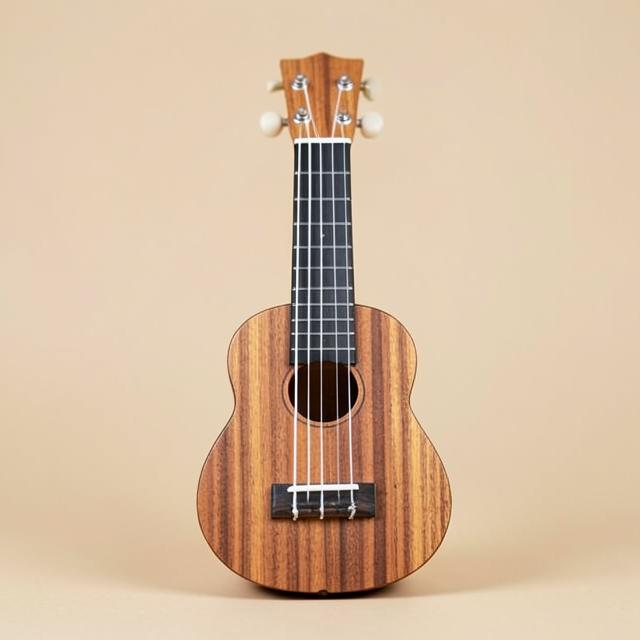
Sopranino (pocket uke) ukulele

Sopranino (pocket uke)

Novelty size, popular since the 1990s · scale ~11 in / 28 cm · gCEA, sometimes a step higher

Tiny, chirpy, very quiet with almost no sustain.

Best for: Travel and children's hands. Frets are cramped for adults.

Typically $30 – $120 new

Where to buy one
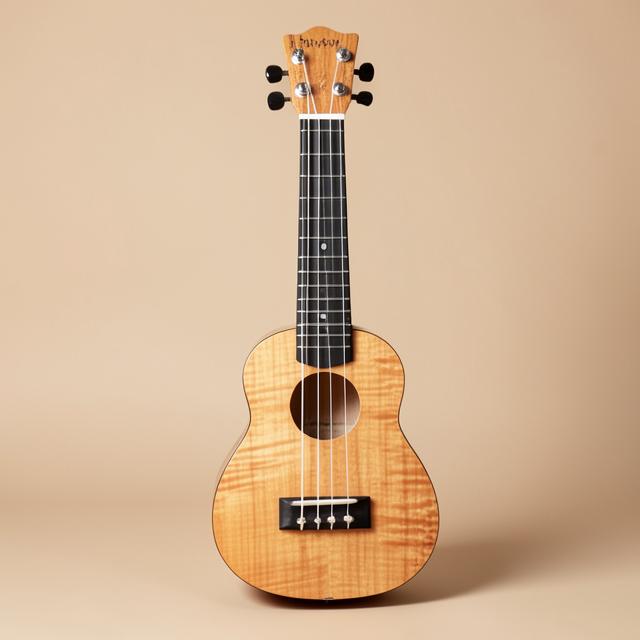
Soprano ukulele

Soprano

The original Hawaiian size, 1880s onward · scale 13 in / 33 cm · gCEA (high G)

That classic bright plinky voice everybody pictures.

Best for: Traditional Hawaiian music, singalongs, anyone wanting the authentic sound.

Typically $50 – $400 (fine koa $700+) new

Where to buy one
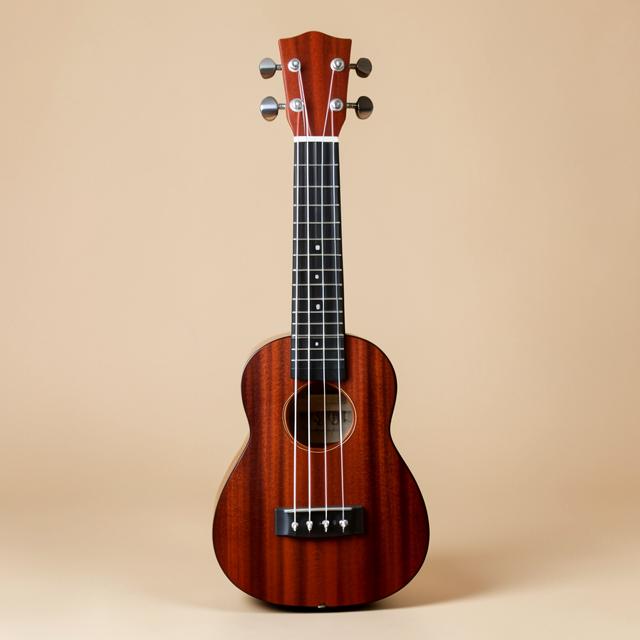
Concert ukulele

Concert

Introduced in the 1920s boom · scale 15 in / 38 cm · gCEA or GCEA (low G)

A bit louder and fuller than soprano, still unmistakably a uke.

Best for: Most beginners — roomier frets without losing the character.

Typically $70 – $500 new

Where to buy one
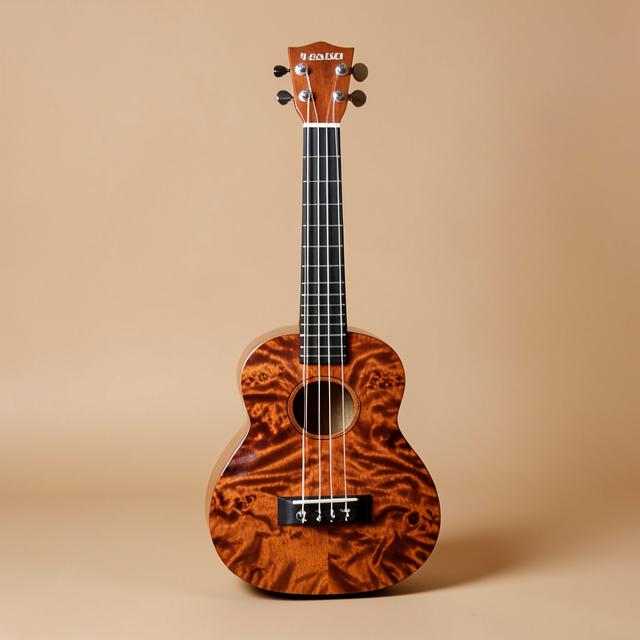
Tenor ukulele

Tenor

1920s, now the pro standard · scale 17 in / 43 cm · gCEA or low-G GCEA

Warm, loud, long sustain. Handles single-note playing beautifully.

Best for: Fingerstyle, performing, players with bigger hands.

Typically $120 – $900 (handmade $1,500+) new

Where to buy one
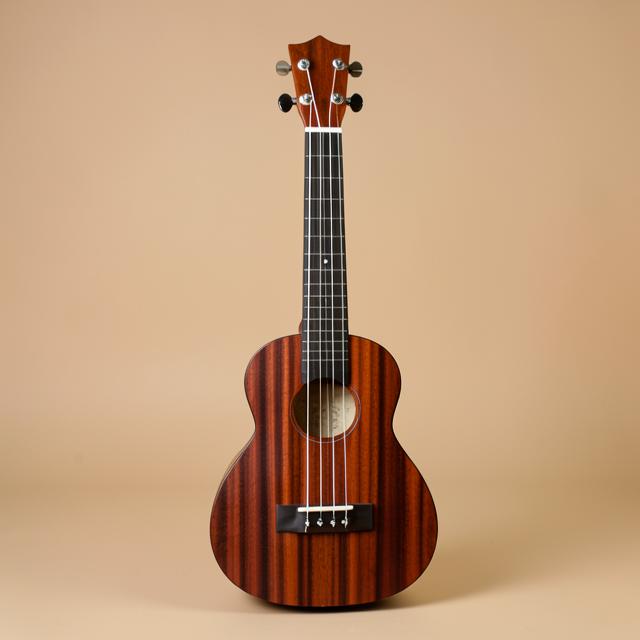
Baritone ukulele

Baritone

Late 1940s · scale 19 in / 48 cm · DGBE — a guitar's top four strings

Mellow and guitar-like, almost a small acoustic.

Best for: Guitarists crossing over, and singers who want a lower register.

Typically $130 – $700 new

Where to buy one
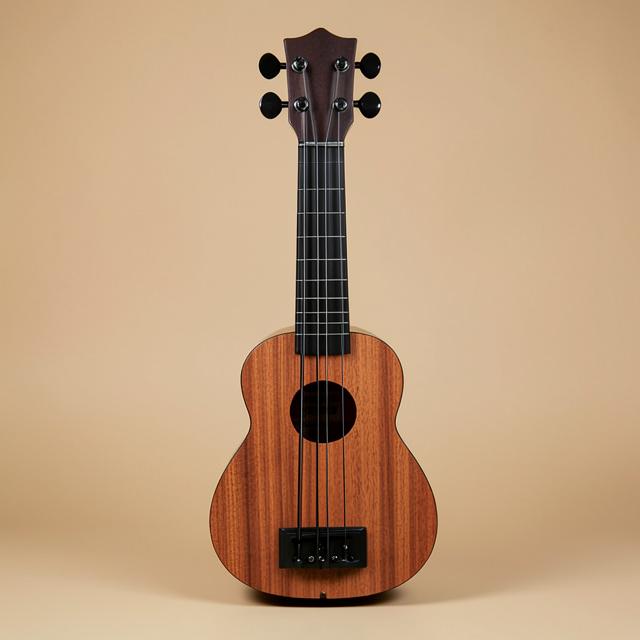
Bass ukulele (U-Bass) ukulele

Bass ukulele (U-Bass)

2009 onward · scale 20–21 in / 51–53 cm · EADG, bass pitches

Thick rubbery upright-bass thump from polyurethane strings.

Best for: Uke groups needing a bottom end without hauling a double bass.

Typically $250 – $700 new

Where to buy one
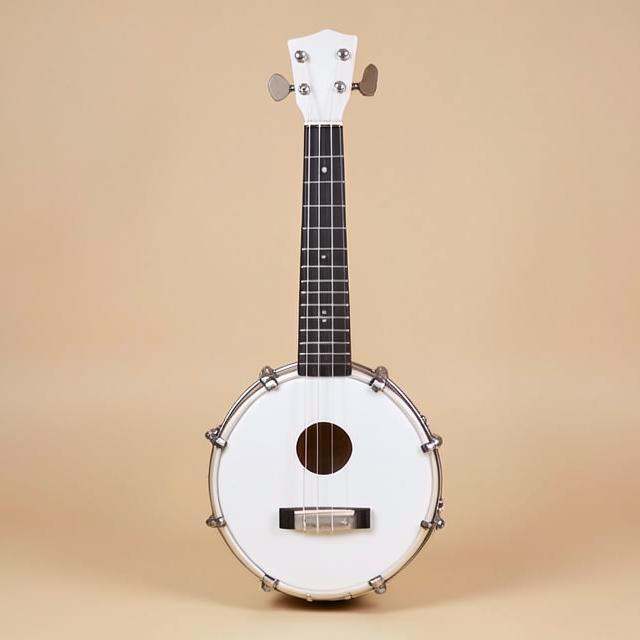
Banjo ukulele (banjolele) ukulele

Banjo ukulele (banjolele)

1917–1930s vaudeville, George Formby's instrument · scale Soprano or concert · gCEA

Loud, cutting, percussive — a banjo head with uke strings.

Best for: Cutting through a band acoustically, old-time and music-hall styles.

Typically $150 – $600 (vintage $800+) new

Where to buy one
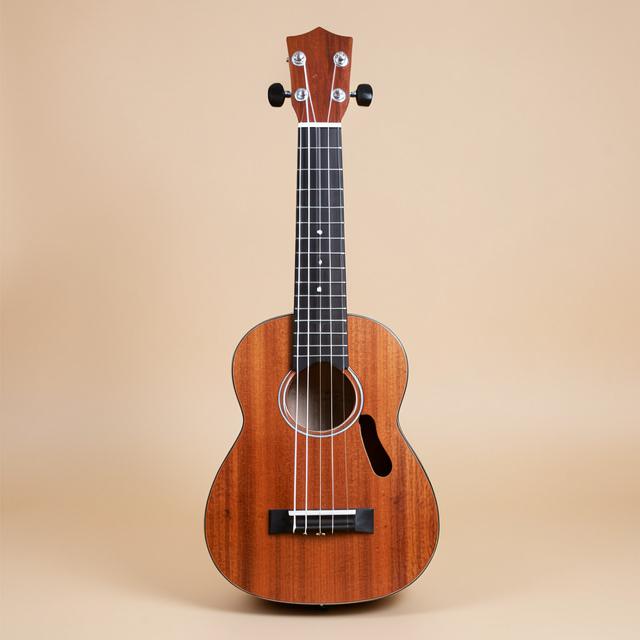
Resonator ukulele ukulele

Resonator ukulele

1920s–30s, revived today · scale Concert or tenor · gCEA

Metallic bark with real projection; excellent for slide.

Best for: Blues, slide playing, busking.

Typically $200 – $650 new

Where to buy one
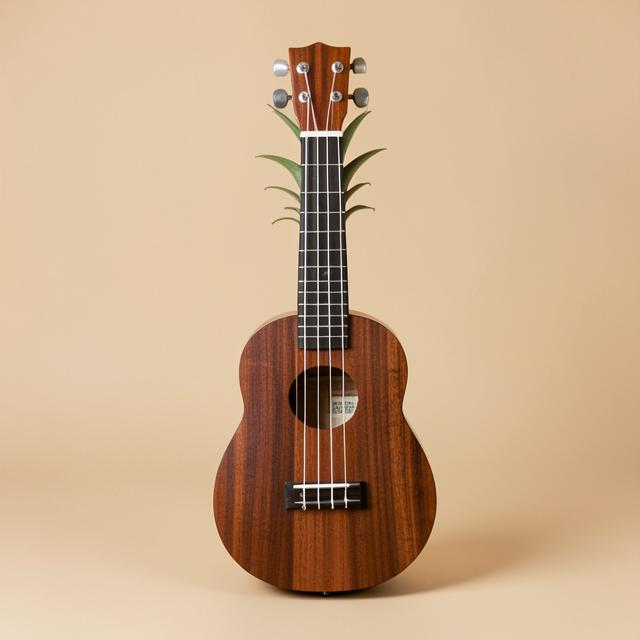
Pineapple ukulele ukulele

Pineapple ukulele

Kamaka, 1928 · scale Usually soprano · gCEA

Rounder and warmer than a figure-eight body of the same size.

Best for: Players who want a softer, boxier tone — and a great-looking instrument.

Typically $60 – $450 new

Where to buy one
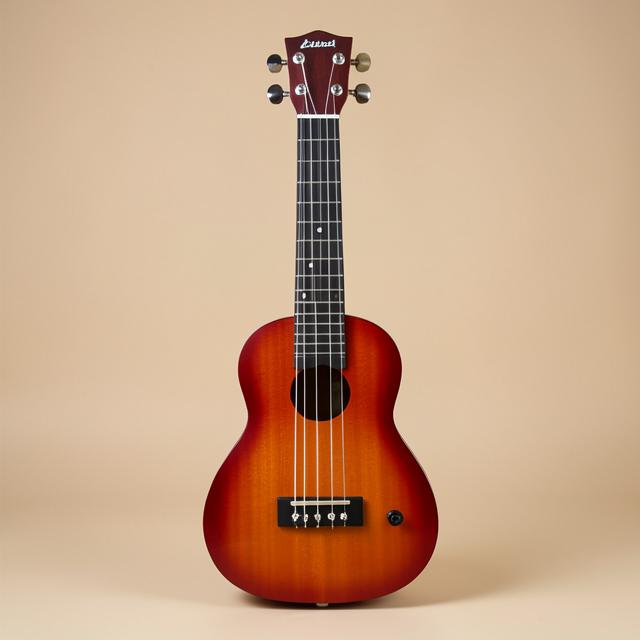
Solid-body electric ukulele ukulele

Solid-body electric ukulele

Modern · scale Concert to tenor · gCEA

Whatever your amp says — clean, driven, effected.

Best for: Bands, silent practice with headphones, effects experiments.

Typically $180 – $800 new

Where to buy one
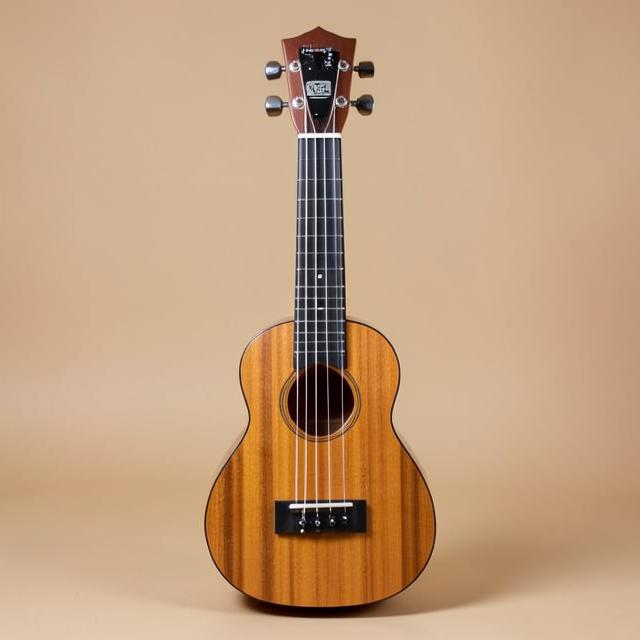
Acoustic-electric ukulele ukulele

Acoustic-electric ukulele

Modern standard · scale Any size · gCEA / DGBE

Its own acoustic voice with a pickup for the PA.

Best for: Gigging without a microphone in front of you.

Typically $150 – $900 new

Where to buy one
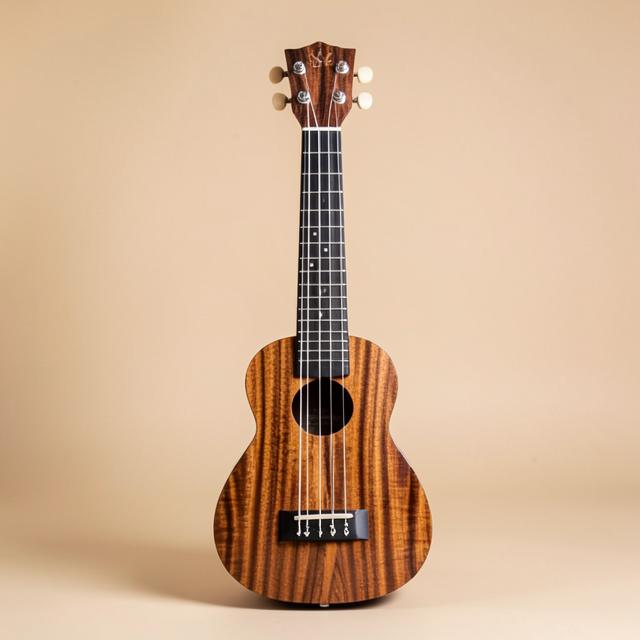
6- and 8-string ukuleles (lili'u / taropatch) ukulele

6- and 8-string ukuleles (lili'u / taropatch)

Traditional Hawaiian variants · scale Tenor mostly · gCEA with doubled or octave courses

Shimmering and chorus-like from the paired strings.

Best for: Big strummed rhythm parts and Hawaiian ensemble playing.

Typically $250 – $1,200 new

Where to buy one

Where it came from

Portuguese immigrants from Madeira arrived in Hawaii in 1879 carrying the machete and the cavaquinho. Hawaiian makers — Manuel Nunes, Augusto Dias and José do Espírito Santo — adapted them into the ukulele, and King Kalākaua put it at the centre of court music.

The 1915 Panama-Pacific Exposition in San Francisco introduced it to the mainland, and the 1920s made it a craze: Martin built superb mahogany and koa instruments, and every parlour had one. Vaudeville added the loud banjo uke.

A second boom came with television in the 1950s — Arthur Godfrey and cheap plastic Maccaferri ukuleles put millions into circulation. Interest faded through the rock era, then returned in the 1990s and 2000s with Israel Kamakawiwo'ole's medley of Somewhere Over the Rainbow, Jake Shimabukuro's virtuoso playing, and Hawaii's own K-brands: Kamaka, KoAloha, Kanile'a and Ko'olau.

Woods and what they do

Koa
The traditional Hawaiian tonewood: balanced, sweet, and it opens up over years of playing.
Mahogany
Warm and mid-focused; forgiving and very common on good starter instruments.
Spruce top
Bright with strong attack — a strummer's top.
Cedar top
Softer and darker, lovely for fingerpicking.
Mango / acacia
Koa-adjacent character with striking grain, usually cheaper.
Laminate
Layered wood: less resonant but nearly weatherproof and inexpensive — a sensible first uke.

Solid wood beats laminate for tone and improves with age; laminate wins on price and durability. Geared tuners hold pitch better than friction pegs, and a well-cut nut matters more than the badge on the headstock.

Strings, setup and care

  • •Nylon and fluorocarbon strings stretch for the first week — expect to retune constantly, then it settles.
  • •Fluorocarbon is brighter and more stable than nylon; wound low-G strings add bass but can squeak.
  • •Keep a solid-wood uke between about 45–55% humidity; dry air cracks tops.
  • •Wipe the strings after playing and loosen them only for long storage or flights.
  • •Change strings every 6–12 months, or once they go dull and stop holding pitch.
  • •A $20 setup — filing the nut slots and lowering the saddle — improves a cheap uke more than any upgrade.

Buying your first one

  1. Concert size, solid or laminate mahogany, geared tuners — the sweet spot for a first uke.
  2. Budget for a setup and a fresh set of fluorocarbon strings; it transforms cheap instruments.
  3. Play it before buying if you can: check the action at the 12th fret and that it holds tune.
  4. Second-hand is excellent value — look for cracks along the top and a straight neck.
  5. Then bring it here: tune it on the free tuner and start on a song.